Batch-Documented Research Compounds · COA Published With Every Release · Free U.S. Shipping Over $125

KPV Peptide (10mg)

$36.00

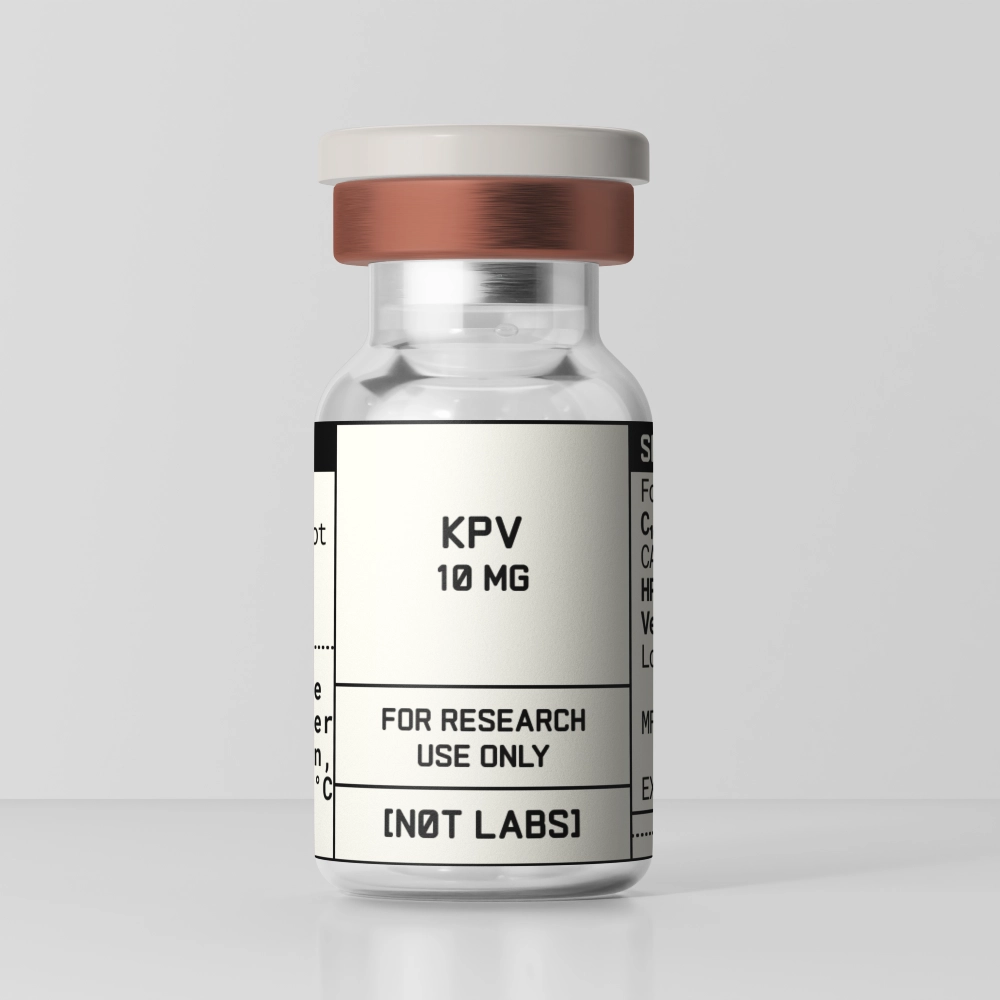
KPV peptide — a COA-verified tripeptide fragment derived from α-melanocyte-stimulating hormone (α-MSH), studied in laboratory research for its role in immunomodulatory signaling pathways. Supplied as a high-purity, research-only peptide for investigational use.

Free U.S. shipping on $125+
COA Available Batch Documented HPLC Verified

Out of Stock

Overview

KPV is a short tripeptide fragment (Lys-Pro-Val) derived from the C-terminal sequence of α-melanocyte-stimulating hormone (α-MSH). In laboratory research settings, KPV has been studied for its interaction with immune-related signaling pathways and regulatory mechanisms involved in inflammatory response modulation.

This compound is supplied strictly for laboratory and investigational research purposes.


Compound Breakdown

As a defined signaling fragment of α-MSH, KPV has been investigated in preclinical research models for its ability to influence:

  • Cytokine-associated signaling pathways

  • Immune cell activation and regulation mechanisms

  • NF-κB–related signaling modulation

  • Peptide-mediated immune response control

Its minimal structure allows researchers to study targeted signaling effects without broader peptide activity.


Research Context

Research investigations involving KPV commonly explore:

  • Immunomodulatory signaling pathways

  • Inflammatory response regulation models

  • Comparative studies of α-MSH–derived peptide fragments

  • Combination research frameworks involving tissue- and immune-focused peptides

These investigations remain limited to controlled laboratory environments and do not imply clinical or therapeutic outcomes.


Related Categories

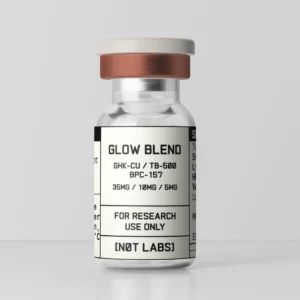
KPV is frequently evaluated alongside BPC-157 Peptide in immune-related research models and is also incorporated into combination research formulations such as the KLOW Blend.
Testing & Verification

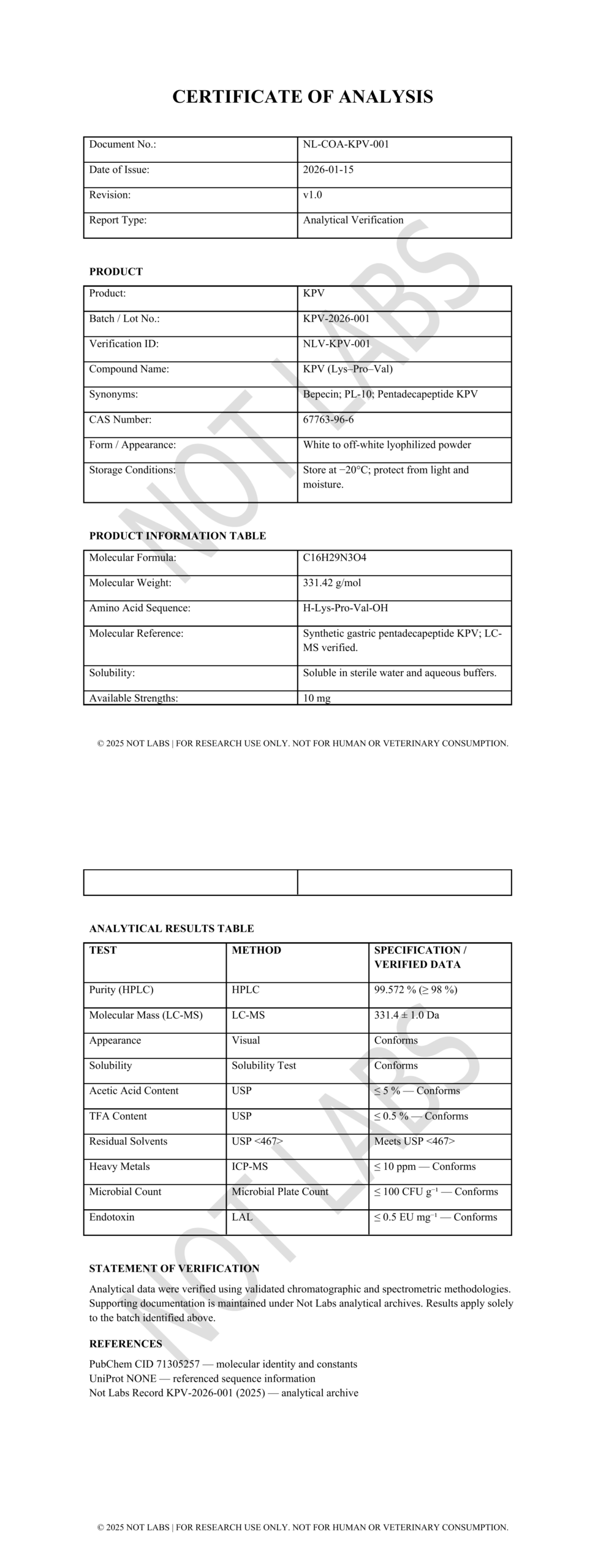
Each batch supplied by Not Labs undergoes independent analytical testing to verify compound identity, purity, and integrity. Batch-specific Certificates of Analysis (COAs) are provided for transparency and research verification purposes.

Where applicable, purity specifications (≥99%) are indicated on product labeling and corresponding COA documentation.

KPV COA certificate of analysis for research compound purity

Research FAQ

1. What is KPV studied for in laboratory research?
KPV is studied for its role as a signaling fragment derived from α-MSH, with focus on immunomodulatory and inflammatory pathway regulation.

2. How does KPV differ from BPC-157?
KPV is a short signaling fragment focused on immune-related pathways, whereas BPC-157 is a longer peptide studied across broader tissue-associated signaling mechanisms.

3. What research areas commonly utilize KPV?
Laboratory research includes immunomodulatory signaling studies, inflammatory response models, and comparative analyses of α-MSH–derived peptide fragments.

4. How should KPV be stored for laboratory research?
Lyophilized KPV is typically stored at −20 °C. After reconstitution, aliquoting and refrigerated storage are commonly used to support experimental stability.

Scientific References

  1. Dalmasso G, Charrier-Hisamuddin L, Nguyen HTT, Yan Y, Sitaraman S, Merlin D. PepT1-Mediated Tripeptide KPV Uptake Reduces Intestinal Inflammation. Gastroenterology.
    https://pmc.ncbi.nlm.nih.gov/articles/PMC2431115/

  2. Kannengiesser K, Maaser C, Heidemann J, et al. Melanocortin-derived tripeptide KPV has anti-inflammatory potential in murine models of inflammatory bowel disease. Inflammatory Bowel Diseases.
    https://pubmed.ncbi.nlm.nih.gov/18092346/

  3. Laroui H, Dalmasso G, Nguyen HTT, et al. Drug-loaded nanoparticles targeted to the colon with polysaccharide hydrogel reduce colitis in a mouse model. Gastroenterology.
    https://pubmed.ncbi.nlm.nih.gov/19909746/

  4. Getting SJ, Schiöth HB, Perretti M. Dissection of the anti-inflammatory effect of the core and C-terminal (KPV) alpha-melanocyte-stimulating hormone peptides. Journal of Pharmacology and Experimental Therapeutics.
    https://pubmed.ncbi.nlm.nih.gov/12750433/

  5. Gatti S, Carlin A, Sordi A, et al. Inhibitory effects of the peptide (CKPV)2 on endotoxin-induced host reactions. Journal of Surgical Research.
    https://pubmed.ncbi.nlm.nih.gov/16413580/

  6. Catania A, Grieco P, Randazzo A, et al. Three-dimensional structure of the alpha-MSH-derived candidacidal peptide [Ac-CKPV]2. Journal of Peptide Research.
    https://pubmed.ncbi.nlm.nih.gov/15946192/

JOIN THE NOT LABS RESEARCH LIST

Get updates on new compound releases and emerging research insights.

10% off your first order upon confirmation.