Overview
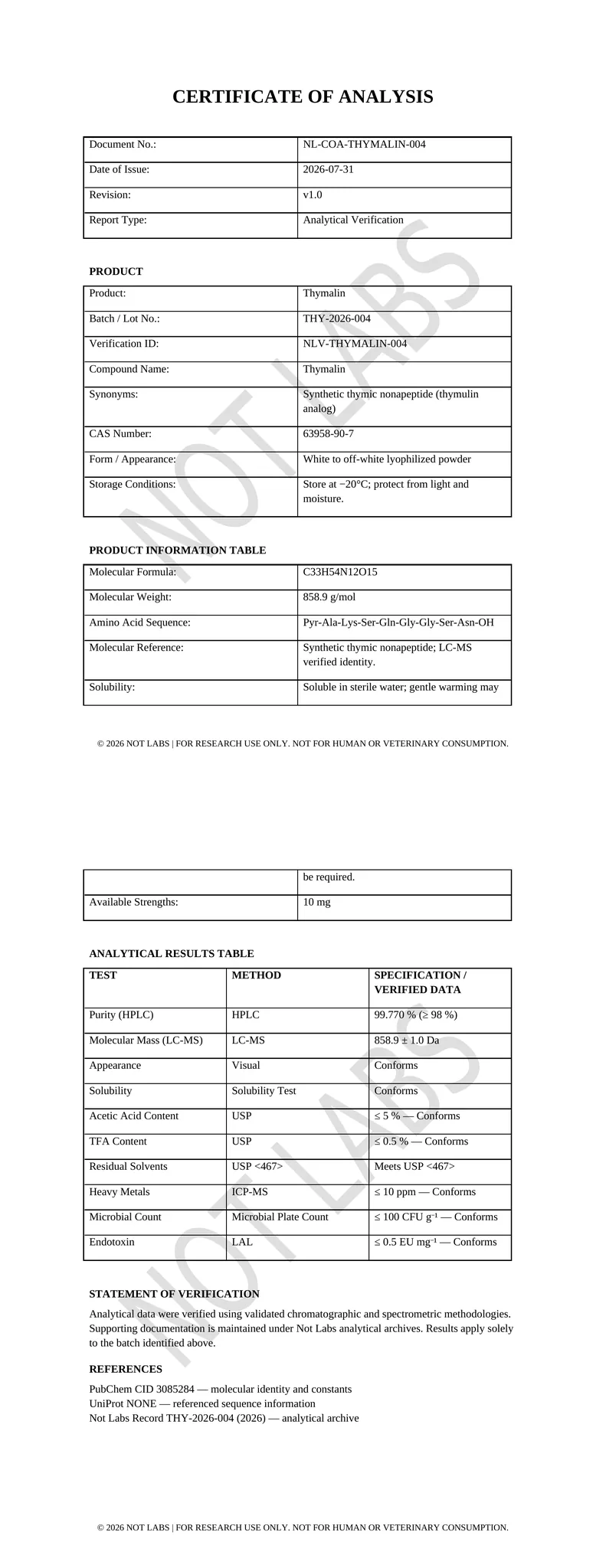
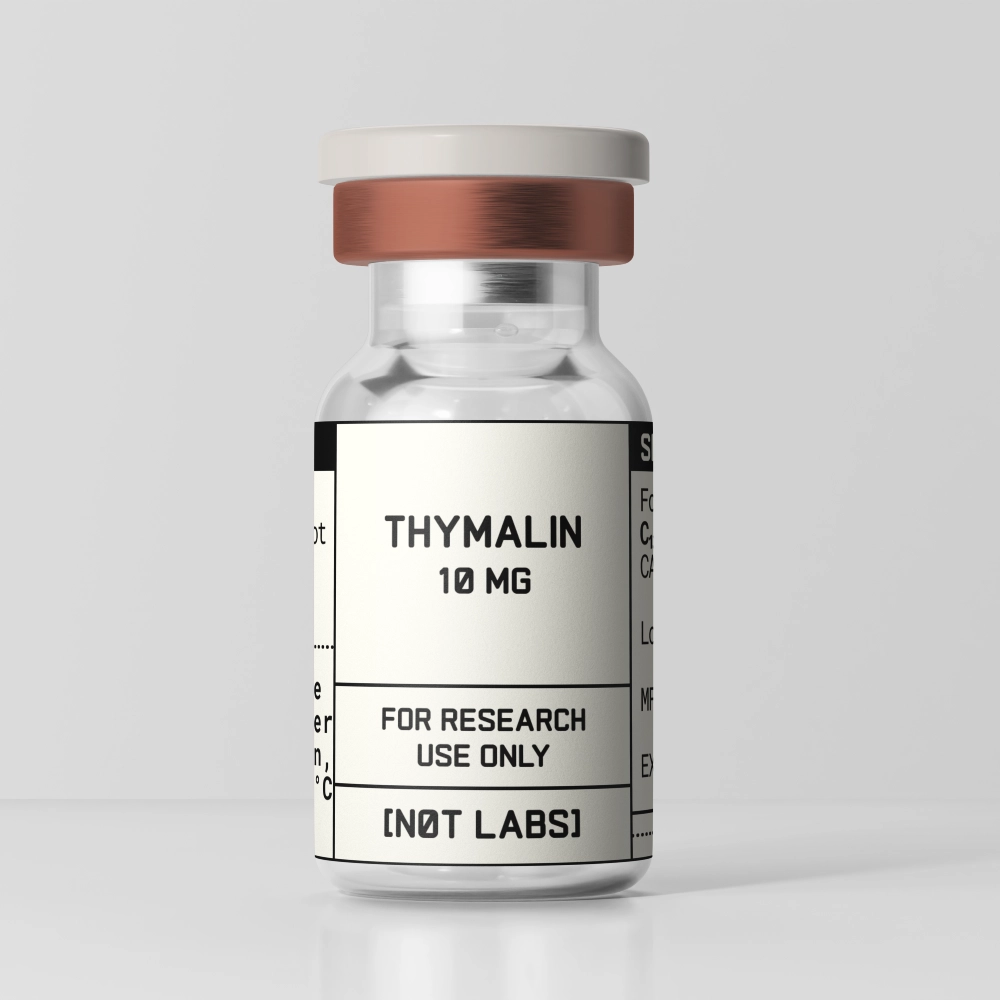
Thymalin is a peptide complex originally derived from thymic tissue and studied in laboratory research for its involvement in immune system regulation and thymus-associated signaling mechanisms. In preclinical models, thymalin has been investigated for its interaction with cellular pathways involved in immune development and regulation.
This compound is supplied strictly for laboratory and investigational research purposes.
Compound Breakdown
The thymus plays a central role in immune system signaling and cellular differentiation. In laboratory research settings, Thymalin has been investigated for its influence on:
Thymus-associated immune signaling pathways
Cellular differentiation and immune regulation mechanisms
Peptide-mediated modulation of immune system activity
Interaction between thymic peptides and systemic immune signaling
Its thymus-derived profile makes Thymalin a useful research tool for studying immune regulatory frameworks.
Research Context
Research investigations involving Thymalin commonly explore:
Immune system regulation models
Thymic signaling and immune development pathways
Comparative studies of thymus-derived peptides
Combination research frameworks involving metabolic and mitochondrial signaling compounds
These investigations remain limited to controlled laboratory environments and do not imply clinical or therapeutic outcomes.
Related Categories
Thymalin is frequently studied alongside MOTS-c Peptide and Epitalon Peptide, and is also incorporated into immune-focused research formulations such as the Immunity Bundle and Flow Bundle.
Research Library
For composition, model limitations, analytical questions, and evidence boundaries, read the Thymalin Research Overview and How to Read a Peptide Certificate of Analysis.