Overview
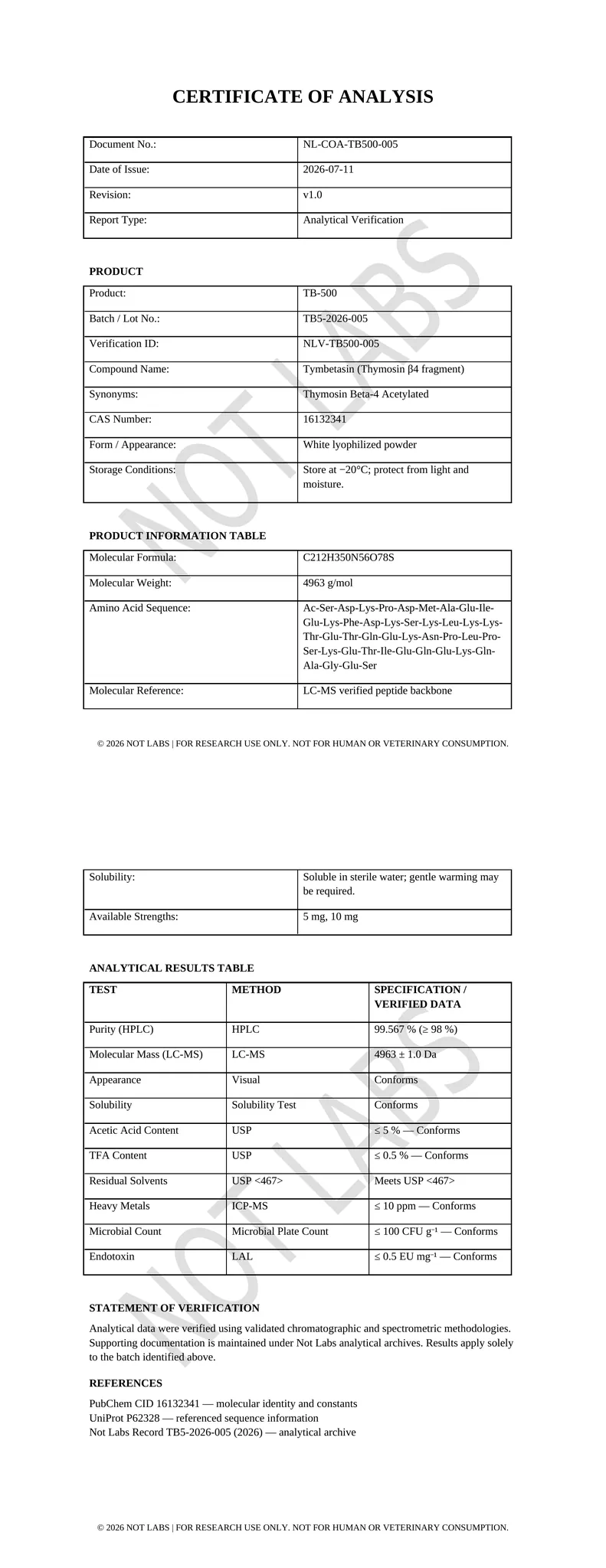
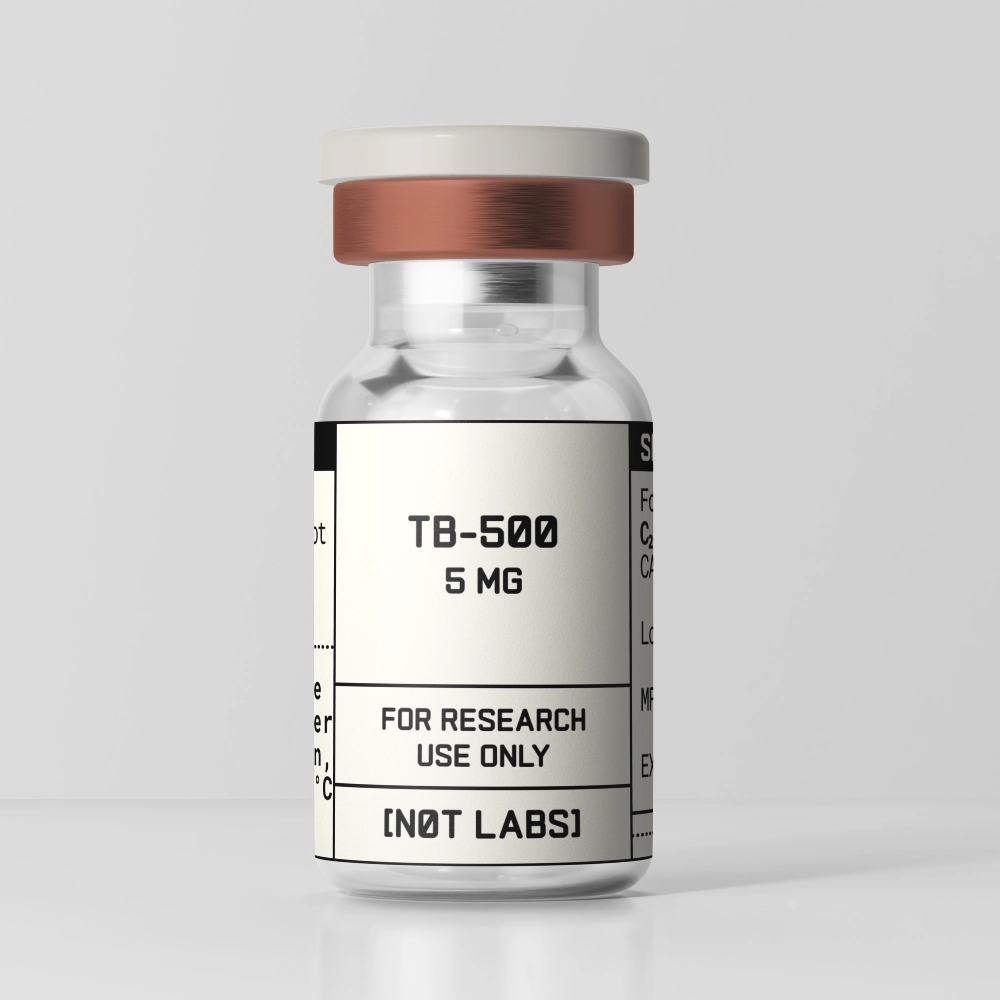
TB-500 is a synthetic peptide derived from thymosin beta-4, a naturally occurring protein involved in actin binding and cytoskeletal organization. In laboratory research settings, TB-500 has been studied for its interaction with intracellular signaling pathways related to cell structure, migration, and tissue-associated cellular processes.
This compound is supplied strictly for laboratory and investigational research purposes.
Compound Breakdown
Thymosin beta-4 plays a key role in regulating actin polymerization and cytoskeletal dynamics. In preclinical research models, TB-500 has been investigated for its influence on:
Actin filament organization and regulation
Cytoskeletal remodeling pathways
Cell migration and intracellular signaling mechanisms
Peptide-mediated coordination of cellular structure
These properties make TB-500 a useful research tool for studying structural and signaling dynamics at the cellular level.
Research Context
Research investigations involving TB-500 commonly explore:
Cytoskeletal signaling and actin-associated pathways
Cell migration and structural regulation models
Comparative studies alongside other tissue-associated peptides
Combination research frameworks involving extracellular matrix and signaling compounds
These investigations remain limited to controlled laboratory environments and do not imply clinical or therapeutic outcomes.
Related Categories
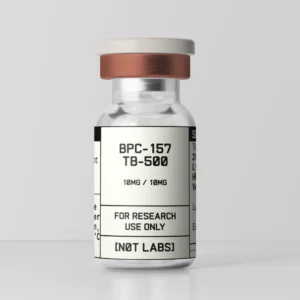
TB-500 is frequently studied alongside BPC-157 Peptide and GHK-Cu Peptide, and is also incorporated into combination research formulations such as the Muscle & Tissue Research Bundle, Glow Bundle, and KLOW Blend.
Research Library
For compound-specific context, review TB-500 Research Context. For broader context on how TB-500 differs from BPC-157 in laboratory models, read BPC-157 and TB-500: Research Context and Analytical Considerations. Researchers reviewing verification documents can use How to Read a Peptide Certificate of Analysis, while the BPC-157 + TB-500 Peptide Blend provides an additional formulation format for comparison.