Overview
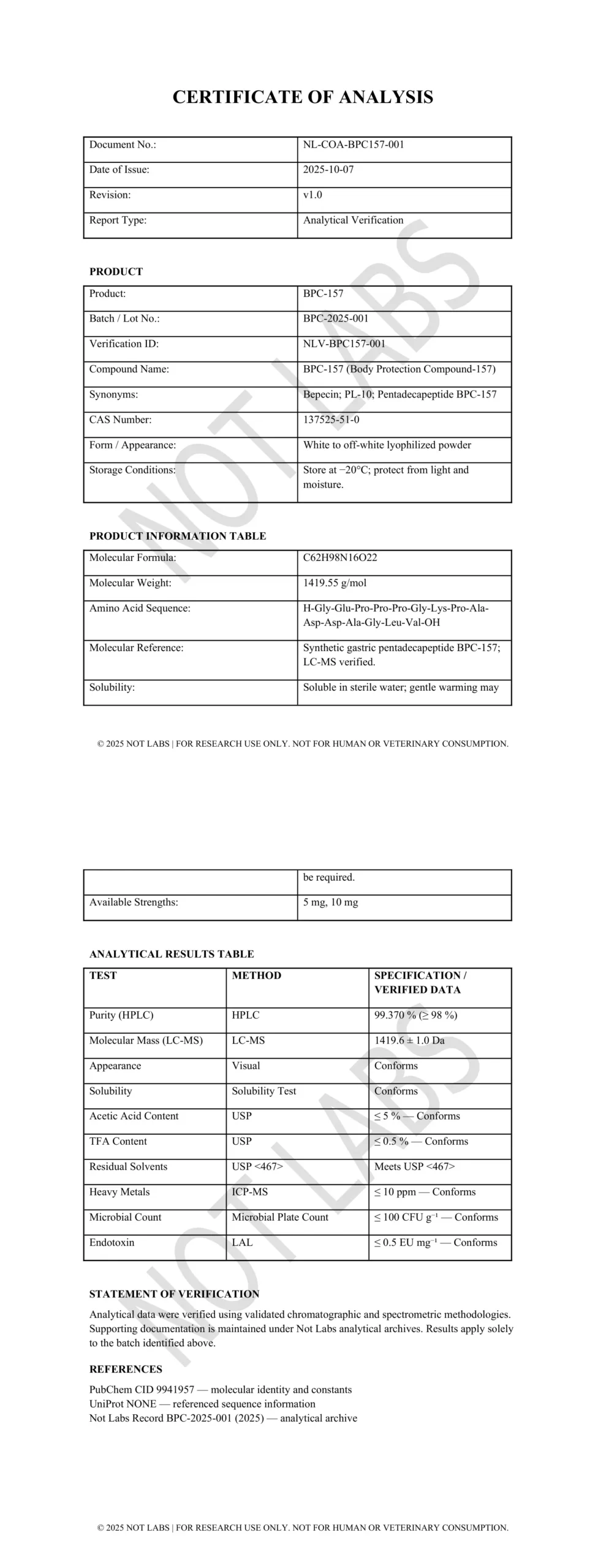
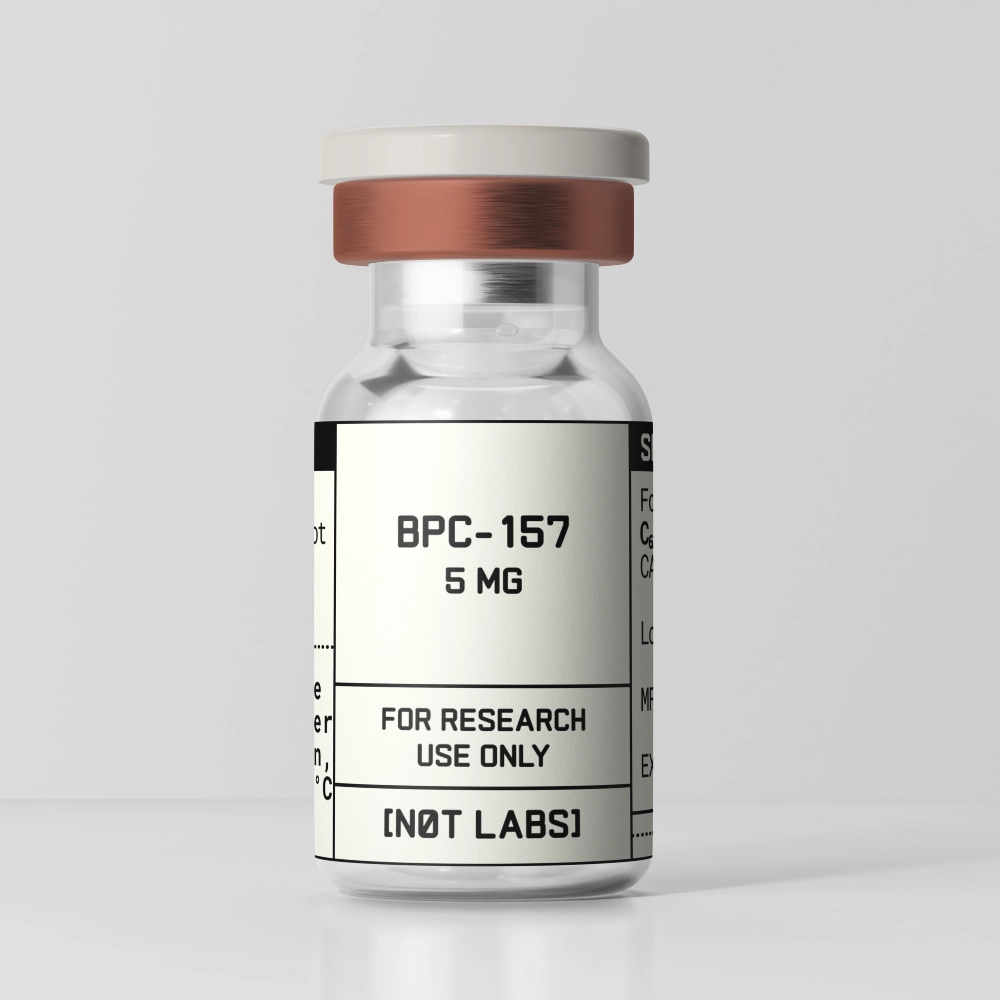
BPC-157 is a synthetic pentadecapeptide derived from a fragment of body protection compound (BPC) identified in gastric juice. In laboratory research settings, BPC-157 is studied for its interaction with cellular signaling pathways involved in tissue integrity, angiogenesis, and regenerative response mechanisms.
This compound is supplied strictly for laboratory and investigational research purposes.
Compound Breakdown
BPC-157 has been investigated in preclinical models for its ability to influence multiple biological signaling pathways, including:
Endothelial signaling associated with angiogenesis
Fibroblast and connective tissue response mechanisms
Nitric oxide–related signaling modulation
Cytoprotective pathways involved in tissue integrity
Its multi-pathway profile makes BPC-157 a frequently studied compound in controlled research environments focused on structural tissue biology.
Research Context
Research investigations involving BPC-157 commonly explore:
Tendon, ligament, and connective tissue models
Gastrointestinal tissue integrity studies
Vascular response and angiogenic signaling pathways
Cellular stress and repair mechanisms in preclinical systems
These findings remain limited to laboratory research and do not imply clinical or therapeutic outcomes.
Related Categories
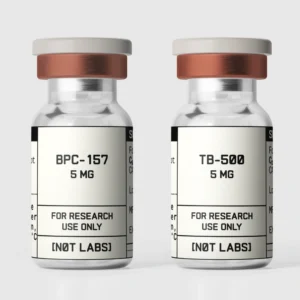
BPC-157 is frequently studied alongside TB-500 Peptide and incorporated into combination research formulations such as the Muscle & Tissue Research Bundle and Glow Bundle.