Overview
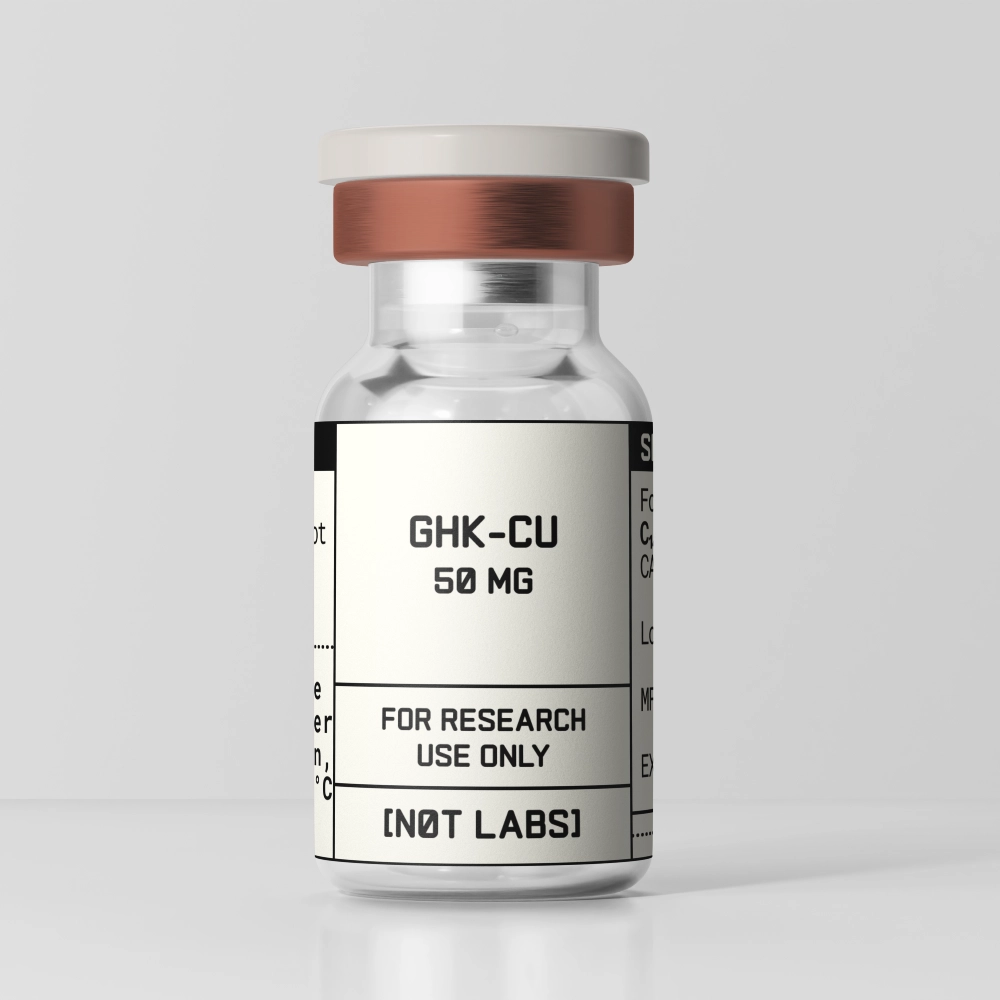
GHK-Cu is a naturally occurring copper-binding tripeptide composed of glycine, histidine, and lysine. In laboratory research settings, GHK-Cu has been studied for its interaction with copper-dependent signaling pathways involved in cellular communication, extracellular matrix organization, and tissue remodeling processes.
This compound is supplied strictly for laboratory and investigational research purposes.
Compound Breakdown
Copper ions play a critical role in numerous enzymatic and regulatory processes. By forming a stable complex with copper, GHK-Cu has been investigated for its ability to influence:
Gene expression associated with tissue organization
Cellular signaling pathways involved in repair and remodeling
Extracellular matrix component regulation
Copper-dependent enzymatic activity in preclinical models
These properties make GHK-Cu a useful research tool for studying copper-mediated biological signaling.
Research Context
Research investigations involving GHK-Cu commonly explore:
Tissue remodeling and regenerative signaling pathways
Extracellular matrix regulation models
Cellular stress response mechanisms
Comparative studies of copper-binding peptides
These investigations are limited to controlled laboratory environments and do not imply clinical or therapeutic outcomes.
Related Categories
GHK-Cu is frequently studied alongside BPC-157 Peptide and TB-500 Peptide, and is also incorporated into combination research formulations such as the Glow Bundle.