Overview
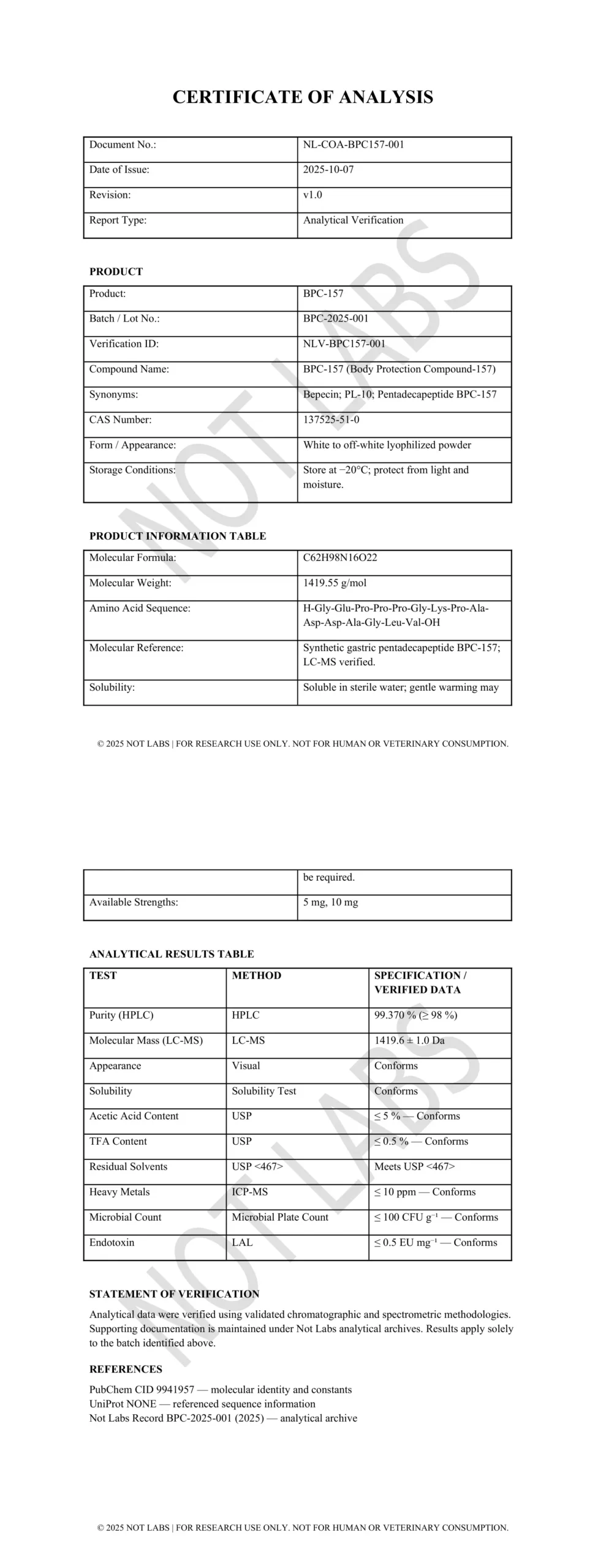
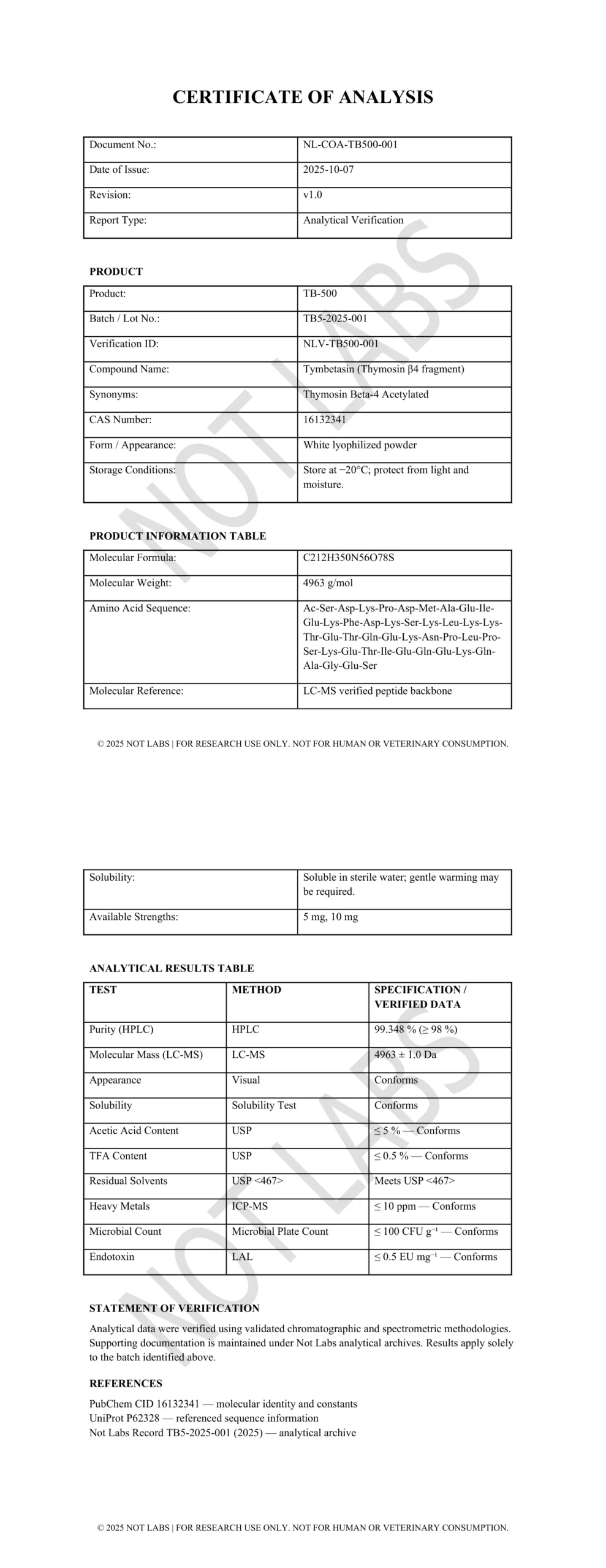
The Muscle & Tissue Research Bundle combines two widely studied peptides — BPC-157 and TB-500 — that engage complementary tissue-associated signaling pathways. In laboratory research settings, this pairing allows investigation into how peptide-mediated tissue signaling and cytoskeletal regulation interact within controlled experimental systems.
This bundle is supplied strictly for laboratory and investigational research purposes.
Compound Breakdown
Each peptide in the Muscle & Tissue Research Bundle contributes a distinct signaling role:
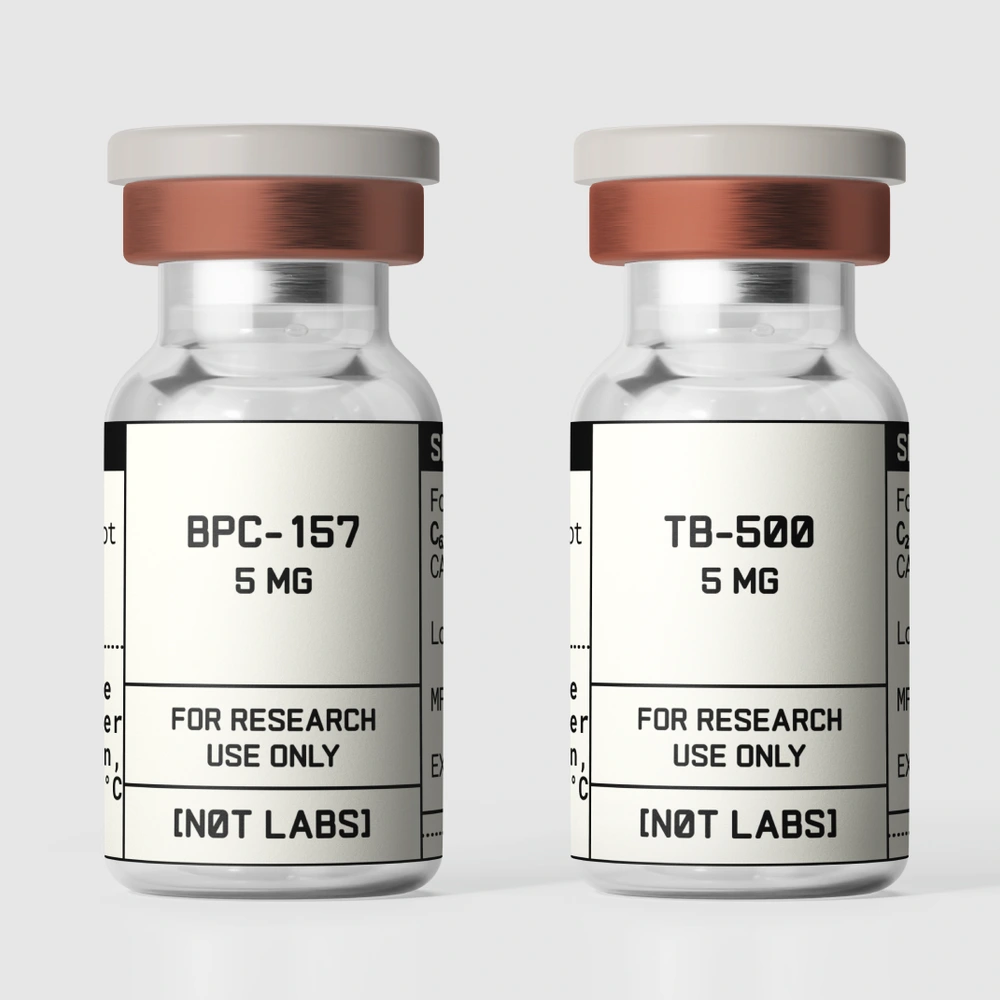
BPC-157 (5mg)— studied for broad peptide-mediated tissue signaling interactions and cellular communication pathways
TB-500 (5mg) — investigated for actin regulation, cytoskeletal dynamics, and cell migration–associated signaling
Together, these peptides allow researchers to examine coordinated tissue-associated signaling without introducing immune-specific or extracellular matrix–focused pathways.
Research Context
Research investigations involving the Muscle & Tissue Research Bundle commonly explore:
Tissue-associated signaling frameworks
Cytoskeletal organization and cellular structure models
Comparative studies versus single-peptide tissue research
Simplified multi-peptide signaling investigations
These investigations remain limited to controlled laboratory environments and do not imply clinical or therapeutic outcomes.
Applications
Research areas supported by Muscle & Tissue Bundle peptides include:
Muscle & Physique Studies → Skeletal muscle repair, regeneration, and GH/IGF-1 interactions.
Tissue Regeneration Research → Wound healing models, angiogenesis markers, and systemic recovery studies.
Recovery Models → Investigations into tendon and ligament repair, inflammation reduction, and cross-tissue resilience.
Comparative Research → Evaluating single-compound versus dual-compound administration to assess synergy in recovery pathways.
Longevity & Resilience Studies → Exploration of angiogenesis, cellular migration, and soft tissue repair processes relevant to aging biology.
Related Categories
Researchers evaluating this bundle often review the individual components — BPC-157 Peptide and TB-500 Peptide — as well as expanded formulations such as the GLOW Blend and KLOW Blend.